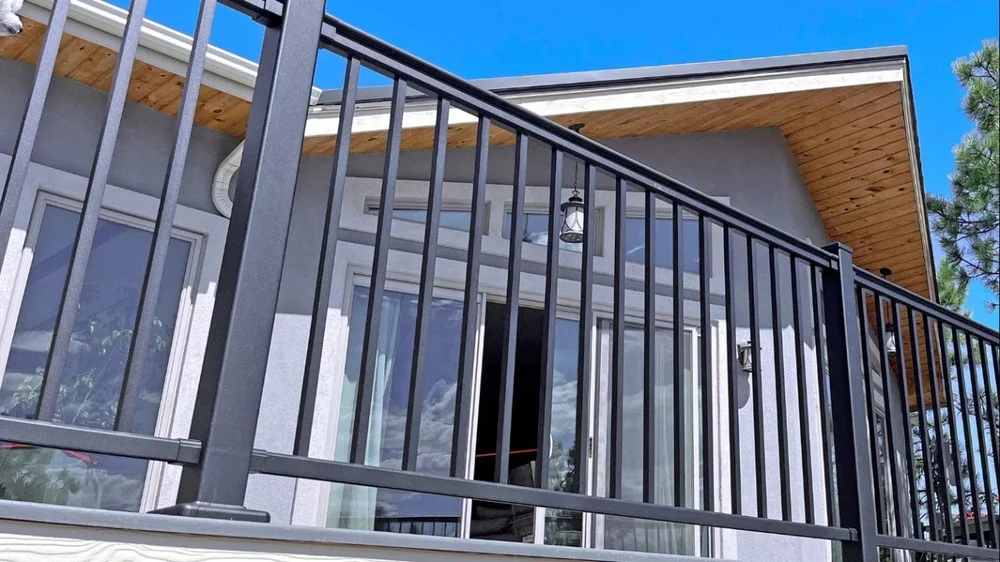
If you’ve spent any amount of time wandering through the older neighbourhoods of Greater Victoria—Fairfield with its leafy streets, Fernwood with its artsy energy, or the tucked-away character houses of James Bay—you’ve probably noticed something: our homes sit close together. Really close. It’s part of the charm of the West Coast urban lifestyle. You can wave to your neighbour from your front porch, borrow sugar without crossing the street, and feel connected to the people living around you.
But with that closeness comes a shared reality: we also share views. Your deck, your neighbour’s kitchen window, their upstairs suite, your backyard seating area… everything overlaps. And sometimes that overlap is a little too intimate.
Maybe you’ve had that moment where you step out onto your deck early in the morning, wrapped in your robe, only to lock eyes with someone watering their plants next door. Or maybe you’ve tried to host a quiet, cozy dinner outside and felt six different windows casually facing your table. It’s not anyone’s fault—it’s just the nature of dense, character neighbourhoods built long before modern privacy standards existed.
And that’s usually when the familiar instinct shows up: put something up, add a barrier, create separation.
You’ve seen them throughout the city: giant cedar fences towering over decks, solid plastic panels bolted along property lines, walls that feel more defensive than functional. These structures are meant to create privacy, but they also change the feeling of a space—and not always in a good way.
A six-foot barrier doesn’t just protect your space. It blocks sunlight, kills airflow, and—let’s be honest—can unintentionally create awkward tension with the neighbours. No one enjoys feeling like someone next door is hiding behind a fort.
At Quality Aluminum Railings, we take a different approach. We believe privacy doesn’t have to feel like a barricade. With the right materials and thoughtful design, you can create seclusion while still keeping your space bright, breezy, and neighbour-friendly.
This guide walks you through the modern art of “good-neighbour privacy”—using privacy panels, frosted glass, and targeted screening to create a personal retreat without compromising sunlight, airflow, or community harmony.
Why the Traditional Privacy Wall Doesn’t Actually Work
There’s a reason so many privacy walls create friction—not just visually, but socially. To understand a better solution, it helps to understand why the typical solid wall fails.
Why Solid Barriers Trigger the Wrong Message
When someone builds a tall, opaque barrier right on the property line, it creates an instant psychological response. It feels like a division. A withdrawal. A silent message that says, “I want my space, and I don’t want you in it.”
Neighbours usually pick up on that—even if it wasn’t your intention.
The Illusion of Escape
A solid wall blocks the view out just as much as it blocks the view in. Instead of a deck that feels open and airy, you end up with a box. In neighbourhoods where yards aren’t huge to begin with, losing that sense of openness can make a big difference in how your outdoor space feels.
The Light Problem (A Real Issue in Victoria)
Light is precious here. Our latitude means long, angled shadows in winter, and in many older neighbourhoods, sunlight is already limited by tree cover or house placement.
Put up a solid six-foot wall on the south side of your deck and you don’t just cast shade on your own space—you may unintentionally rob your neighbour’s garden or patio of the sun they rely on.
That’s the number one cause of neighbour tension around privacy screens.
So What’s the Alternative?
Instead of blocking everything, the goal is to block the exact sightline that makes you feel exposed.
You don’t need a fortress; you need selective privacy.
Understanding Sightlines: The Key to Smart Privacy
Before choosing any privacy solution, it’s helpful to think about how privacy actually works. Not in a general sense—but at a technical, geometrical level.
This is where a “Sightline Audit” becomes incredibly useful.
The Three Sight Zones on Any Deck
When we visit a home, we walk through three primary zones:
1. The Seated Zone
What people can see when you’re sitting down—drinking coffee, reading, relaxing.
This is usually the most vulnerable zone.
2. The Standing Zone
What’s visible when you’re moving around—grilling, watering plants, setting up dinner.
3. The Overhead Zone
Where most Victoria homeowners have their biggest challenges.
Because our homes sit close and many include suites or split levels, privacy issues often come from above, not directly beside you.
This is why a wall across the property line often fails—most of the actual sightline problems happen at angles, not straight-on.
Finding the Intrusion Point
Every privacy problem has a “hot spot”—the exact angle where someone else’s window or deck lines up with your outdoor space.
Most of the time, this vulnerability happens in a narrow band—somewhere between 10° and 15° of viewing angle.
When we identify that exact line and install a privacy feature only where it’s needed, a huge transformation happens:
- Sunlight remains untouched
- Airflow remains natural
- You feel protected
- Your neighbour doesn’t feel blocked
The entire deck remains open except the area where privacy actually matters
This is what we call Zonal Privacy, and it’s the difference between a wall and a solution.
Aluminum Privacy Fencing: Bright, Durable, and Purpose-Built
For many Victoria homeowners, aluminum privacy and semi-privacy fencing offers an ideal middle ground between openness and separation.
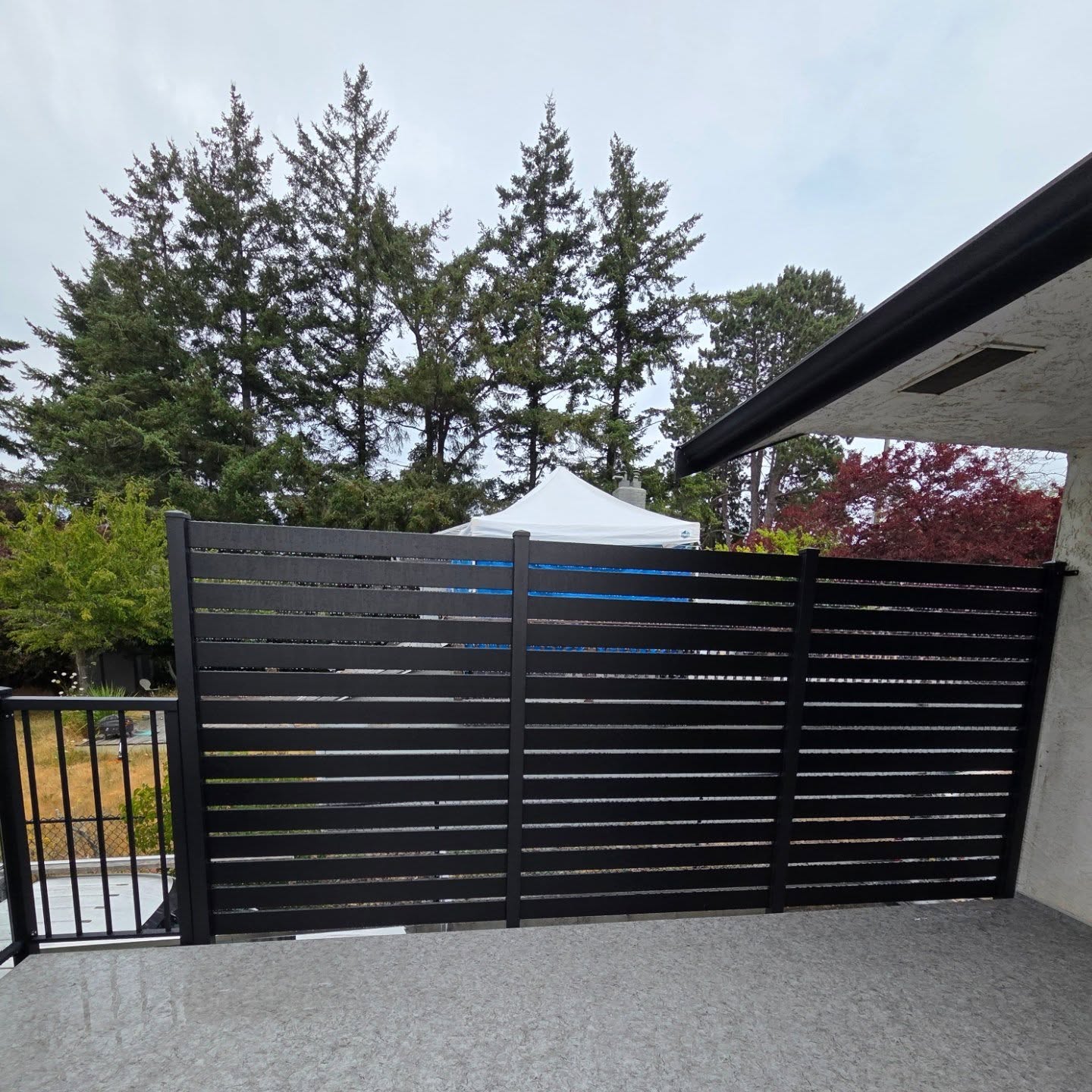
How Aluminum Privacy Panels Work
Unlike traditional wood fencing, aluminum systems are engineered for consistency, longevity, and precision. Panels can be designed with varying levels of openness — from fully private to semi-private — depending on your needs and local bylaw requirements.
Semi-privacy panels, in particular, are excellent for maintaining daylight while still breaking up direct sightlines. They also allow air to pass through in a controlled way, maintaining cross-breezes while still offering effective screening.
Key Benefits of Aluminum Privacy Systems
Light Preservation
Semi-privacy aluminum fencing allows natural light to pass through gaps or patterned infill, keeping both your space and neighbouring properties brighter throughout the year.
Clean Sightline Control
Rather than creating a visual “block,” aluminum fencing softens views and limits detail. Movement may still be visible, but faces and activities are obscured — a balance that feels more natural in close neighbourhoods.
Weather Performance
In coastal Victoria, fencing needs to stand up to moisture, salt air, and wind. Powder-coated aluminum resists corrosion, won’t warp or rot, and holds its finish far longer than wood in damp conditions.
Frosted Glass: The Brightest Way to Create Privacy
A lot of homeowners worry that adding privacy means darkening their deck. But frosted glass is one of the best ways to keep brightness while blocking direct views.
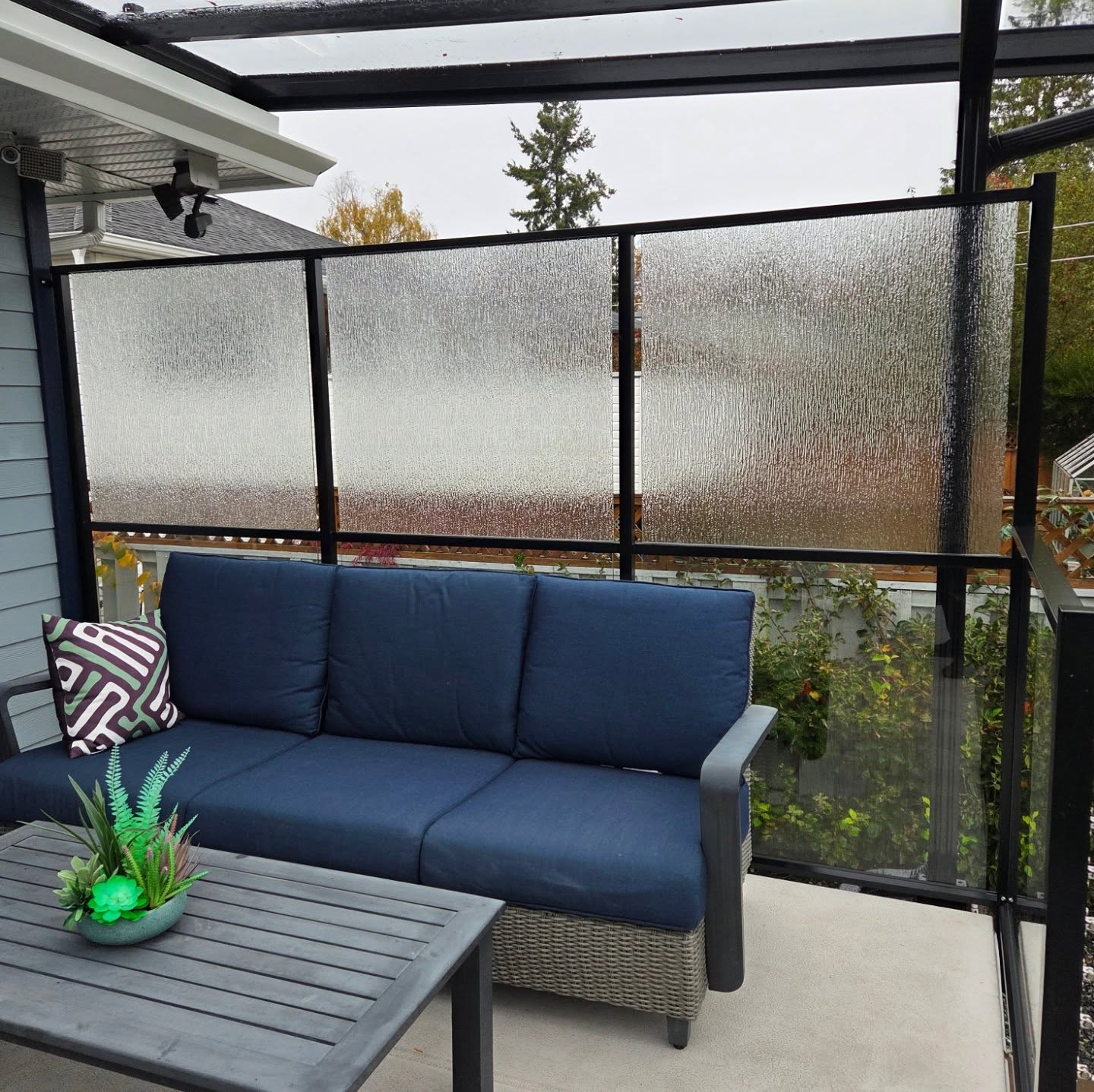
Why Frosted Glass Works
Modern acid-etched glass (not sandblasted) has a smooth surface that fills your space with diffused light. Instead of feeling closed in, the entire deck glows softly—like natural light through a lampshade.
Here’s what makes it ideal for coastal homes:
- Up to 85% light passes through
- Full visual privacy without blocking brightness
- Zero maintenance aside from a quick wipe
- Wind protection for those gusty shoulder-season days
And unlike a wall, frosted glass doesn’t feel imposing. It blends in quietly and gives your deck a refined, architectural look.
The Silhouette Effect
You’ll never see your neighbour brushing their teeth through frosted glass—but you’ll notice a faint shape if someone is on the other side. It’s not intrusive; it’s simply reassuring. Architects call this “social privacy”—the perfect mix of separation and awareness.
Why Structural Engineering Matters for Privacy Screens
One thing most homeowners don’t realize is that privacy screens act like sails. Taller panels catch more wind—and Victoria’s coastal gusts can be intense.
A deck railing that was originally designed at 1070 mm tall may not be structurally equipped to handle a 6-foot privacy screen.
That’s why proper engineering is non-negotiable.
What We Reinforce When We Install a Privacy System
- Heavier aluminum posts to withstand bending force
- Reinforced base plates for stronger anchoring
- Upgraded fasteners to support higher lateral pressure
- Structural blocking beneath the deck so bolts don’t pull through
Skipping these steps is why so many DIY privacy panels fail—or worse, blow out during a winter storm.
Local Bylaws and the BC Building Code
Privacy fencing often sits at the intersection of zoning and safety regulations.
Municipal Differences
Rules vary across Victoria, Saanich, Oak Bay, and Langford. Some municipalities allow higher screening when setbacks are respected, while others require a certain percentage of openness.
Semi-privacy aluminum fencing is often an advantage here, as it naturally meets openness requirements without sacrificing function.
Safety Requirements
Any privacy structure installed along the edge of a raised deck must still function as a guard. This includes compliance with the 100 mm sphere rule and load requirements under the BC Building Code.
Designing for privacy and safety at the same time is critical — and it’s where professional fabrication and installation make a real difference.
Why Aluminum is the Most Neighbour-Friendly Material
Here’s where the material really matters.
Compared to Wood
Wood weathers fast in Victoria’s climate. Even the best cedar will eventually:
- Warp
- Grey badly
- Grow moss
- Shed splinters
- Create maintenance battles
Worse, wood fences look different on each side—one neighbour gets the “nice” side and the other gets the structural framing. That never goes over well.
Compared to Vinyl
Vinyl works fine in calm climates.
Victoria is not a calm climate.
Between UV exposure and high winds, vinyl panels:
- Get brittle
- Crack
- Pop out of frames
- Can even fly loose during storms
Aluminum stays rigid, clean, tidy, and identical on both sides—so neither neighbour feels like they’re getting the lesser view.
Privacy as an Investment
In Victoria’s real estate market, outdoor living space adds real value—but only if it’s usable. A deck that feels exposed often goes underused.
By incorporating aluminum railings with frosted glass or privacy panels, you effectively turn your deck into an outdoor room. It becomes a place for meals, reading, quiet mornings, and evening gatherings.
Because aluminum systems are durable and visually consistent, they also enhance curb appeal. The result is a space that feels finished, intentional, and aligned with the character of your home.
Starting the Conversation with Neighbours
A little communication goes a long way—especially in close-knit Victoria neighbourhoods.
Giving neighbours a friendly heads-up that you’re planning a maintenance-free aluminum privacy solution, rather than a bulky wood structure, often eases concerns right away. Framing it as a thoughtful upgrade to improve comfort—not block light or views—sets the right tone. Sharing a simple rendering or design concept can also help people visualize the end result and understand that it’s an architectural improvement, not a barrier.
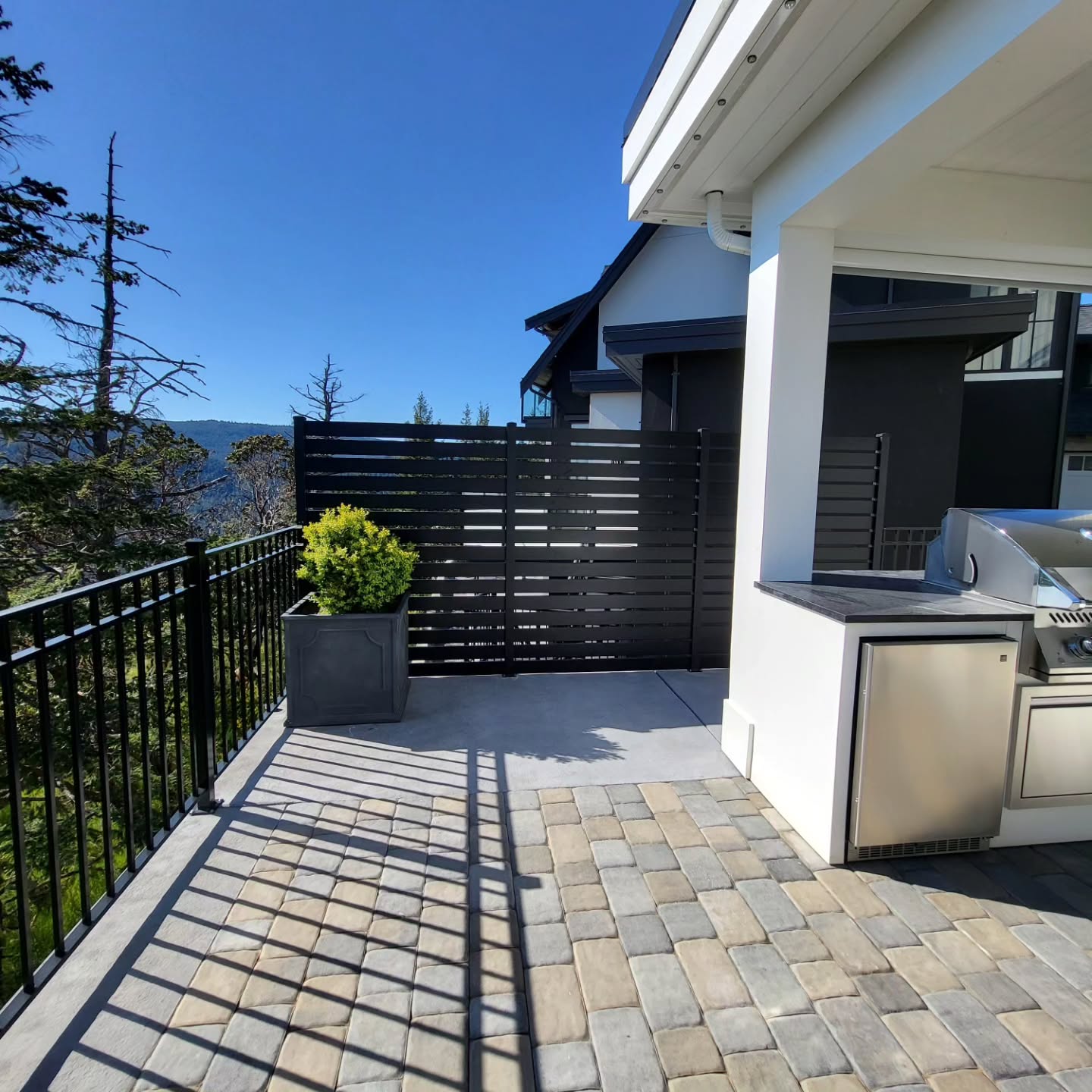
Privacy in a city like Victoria doesn’t have to come at the expense of light, airflow, or neighbourhood harmony. With aluminum railings, frosted glass, and privacy or semi‑privacy fencing, you can shape your outdoor space in a way that feels calm, comfortable, and thoughtfully designed.
At Quality Aluminum Railings, we help homeowners find that balance every day. From assessing sightlines to designing code‑compliant systems that suit your home and location, our goal is to create outdoor spaces that feel like they truly belong to you.
If you’re ready to make your deck or yard more comfortable—without making it feel closed in—we’re here to help.