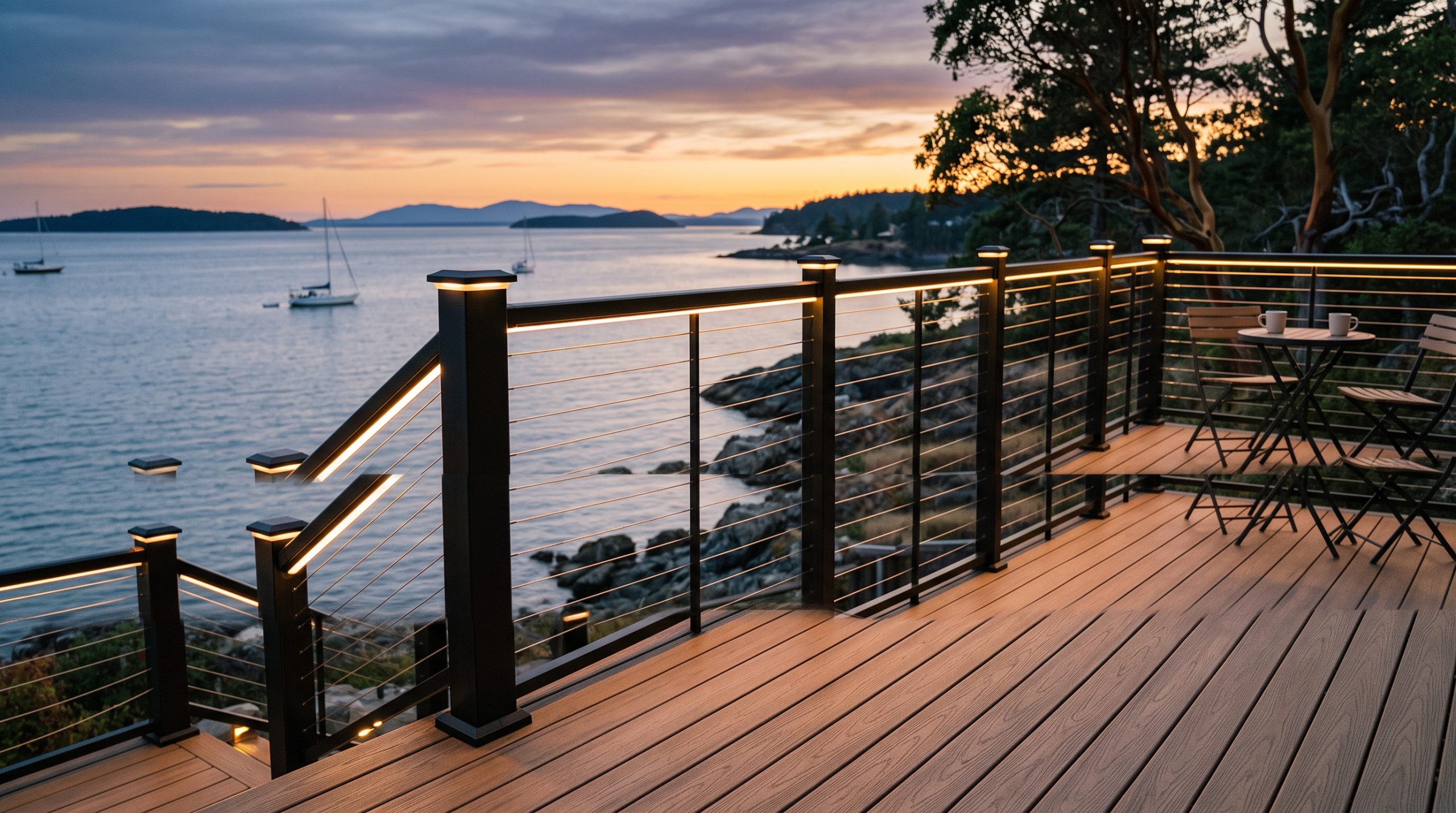
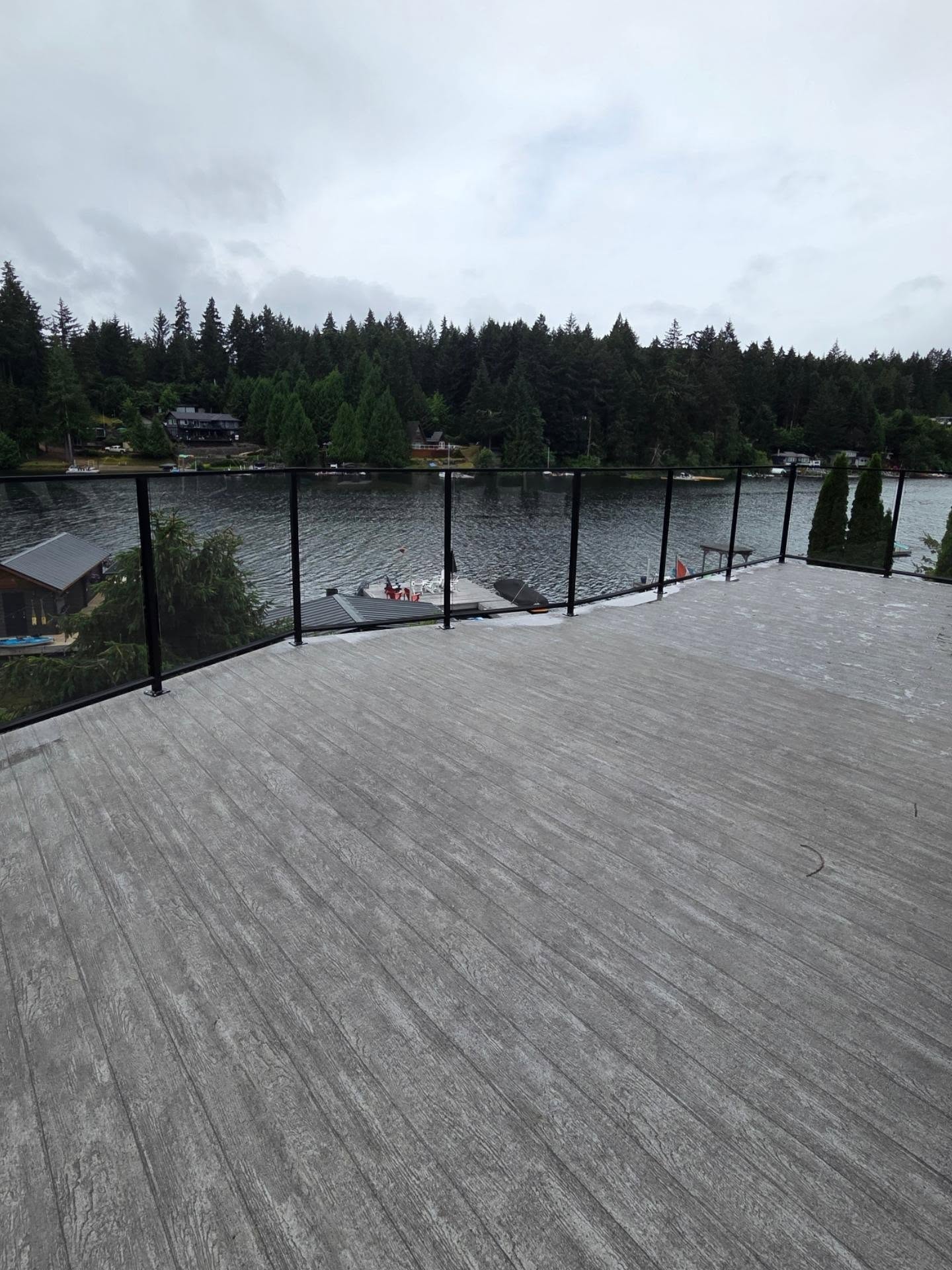
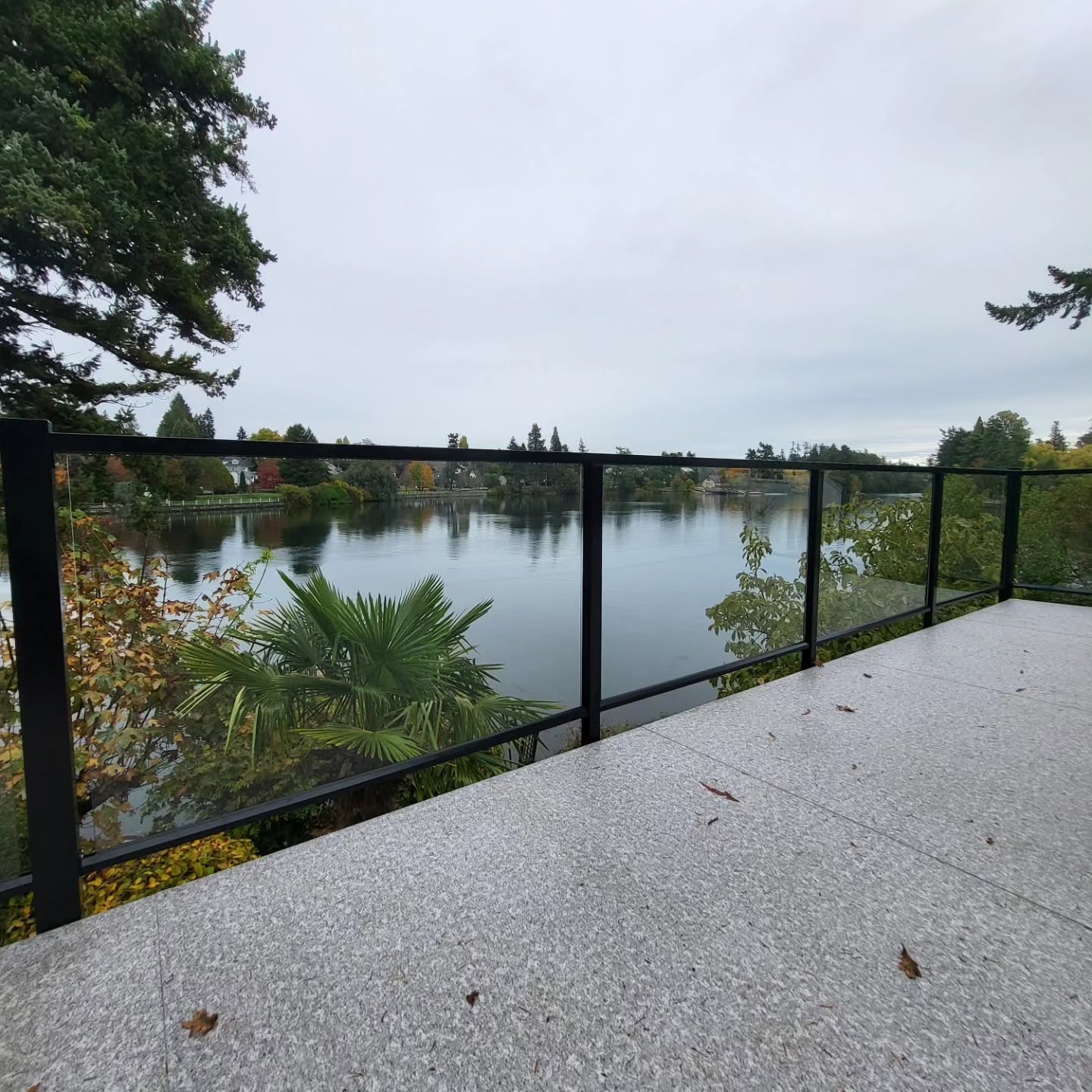
If you’re lucky enough to have glass deck railings, you know how magical they are. You get to step outside, lean back with your morning coffee, and enjoy an unobstructed view of the ocean, the mountains, or a peaceful backyard. No wooden pickets slicing up the horizon, no bulky posts blocking the sunset.
Then comes the West Coast reality check.
After a few weeks of ocean mist, windblown rain, or hard well water hitting the glass, those crystal-clear panels start to look less like a luxury resort feature and more like a dusty windshield. Salt haze creates a cloudy, milky film across the glass, while mineral-heavy water drops dry into stubborn, chalky white spots that refuse to budge with a standard hose-down.
Before you start scrubbing with whatever household cleaner you find under the kitchen sink—or worse, a harsh abrasive pad that could permanently scratch the glass—let’s talk about how to do it right. Here is your friendly, straightforward guide to getting your glass deck railings streak-free, crystal-clear, and protected for the long haul.
Why Glass Deck Railings Get So Dirty (And Why Plain Water Makes It Worse)
To beat the haze, it helps to know what you’re actually fighting. Glass looks completely smooth to the touch, but on a microscopic level, its surface is full of tiny peaks and valleys. When moisture lands on the panel and evaporates, it leaves behind whatever solids were dissolved in it.
Salt Haze: Living near coastal waters means salt spray and ocean mist carry microscopic salt particles through the air. As the sea breeze hits your deck, those damp salt droplets stick to the glass. When the water evaporates in the sunshine, it leaves a sticky, foggy residue that attracts dust and pollen like a magnet.
Hard Water Spots: Rainwater itself is relatively soft, but when rain hits your deck’s top rails, surrounding overhangs, or nearby garden hoses, it picks up minerals like calcium and magnesium. When those mineral-rich droplets dry on the warm glass surface, they bond tightly to the micro-pores, creating etched-looking white rings.
If you try to spray these spots away with tap water or well water and just let it sun-dry, you’re actually adding more minerals to the glass, making the spots thicker and harder to remove next time!
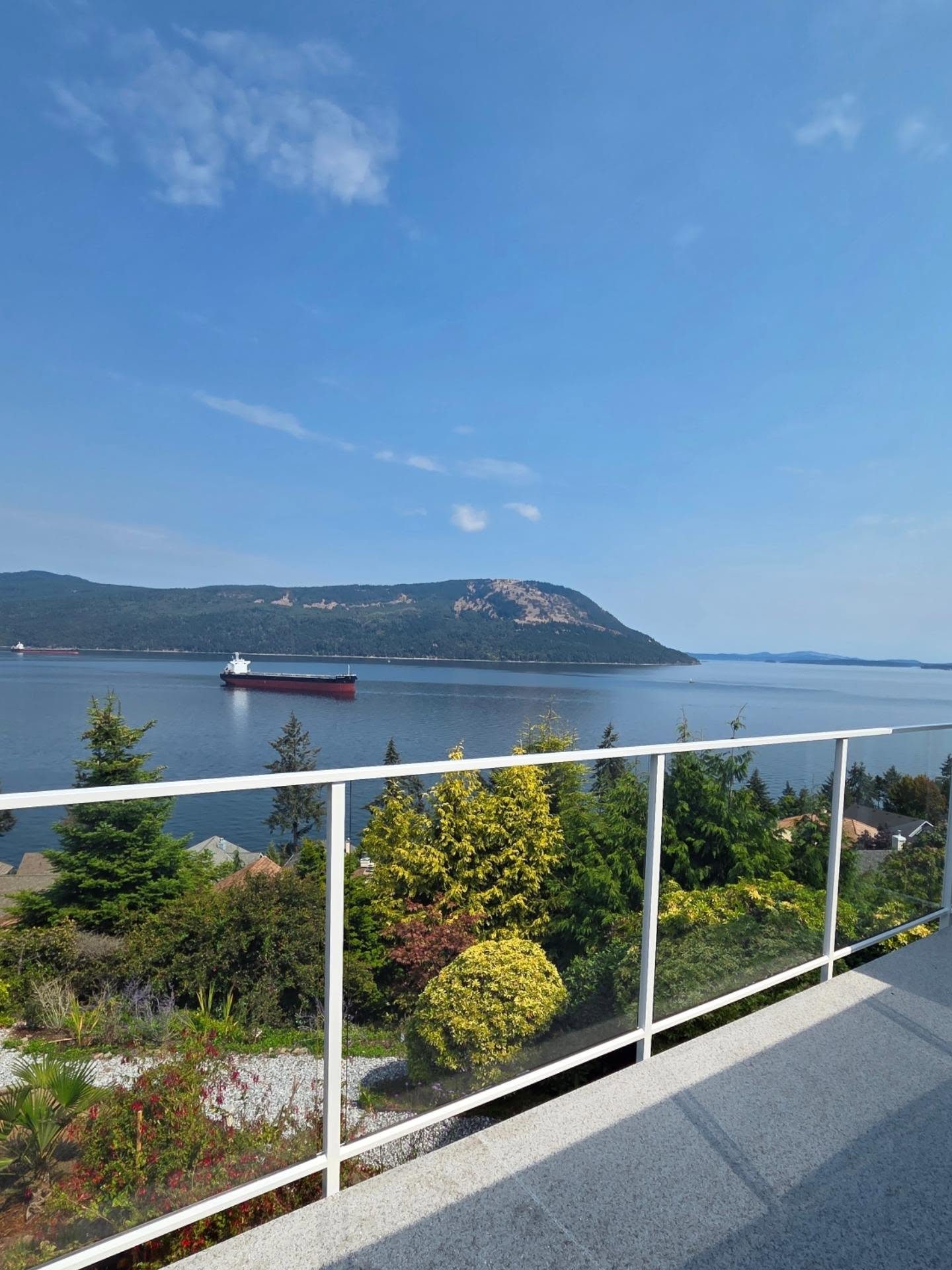
What You’ll Need: The Safe & Effective Cleaning Kit
You don’t need expensive commercial pressure-washing setups or industrial chemicals to clean outdoor glass. In fact, aggressive chemicals can damage the powder-coated aluminum framing and rubber gaskets holding your panels in place.
Stick to this simple, safe toolkit:
| Item | What It Does | Why It Matters |
|---|---|---|
| White Distilled Vinegar | Natural acid spray | Breaks down salt bonds and dissolves calcium/mineral deposits without harsh fumes |
| Mild Dish Soap | Degreaser | Lifts grime, tree sap, and bird droppings |
| Warm Water & Bucket | Cleaning base | Helps loosen buildup gently |
| Microfiber Towels / Sponge | Scrubbing tool | Non-abrasive material that won't scratch tempered glass |
| Squeegee (Good Quality) | Water removal | The secret weapon for preventing water spots entirely |
| Distilled Water (Optional) | Final rinse | Zero mineral content ensures 100% streak-free drying |
⚠️ A Note on Safety: Always check your deck height and footing before cleaning outdoor glass. Never lean heavily against glass panels while cleaning them, and never stand on chairs or railing ledges to reach high spots. Use an extension pole with a squeegee attachment for hard-to-reach exterior sides.
Step-by-Step: Lifting Salt Haze & Mineral Spots
Follow this sequence to transform cloudy glass back to invisible transparency:
Step 1: Rinse Off Loose Grit First
Never start scrubbing dry glass! Windblown dust, sand, and tiny salt crystals act like fine sandpaper. If you drag a sponge across dry glass covered in grit, you will cause micro-scratches.
Use your garden hose on a soft shower setting to thoroughly wet the panels from top to bottom. This washes away loose surface dirt and softens dried-on salt residue.
Step 2: Apply the Secret Vinegar & Soap Solution
Skip the aerosol glass cleaners—they are designed for light indoor dust, not outdoor ocean crust. Instead, mix this simple, low-cost solution in a bucket or spray bottle:
2 cups warm water
2 cups white distilled vinegar
1 teaspoon mild dish soap (Dawn or similar)
The mild acid in the vinegar cuts right through alkaline mineral deposits and salt film, while the dish soap breaks down oils, bug splatters, and organic residue.
Spray or sponge the mixture generously over the entire panel. Let it sit for 2 to 3 minutes so the acid can dissolve the mineral bonds. Do not let it dry in direct sunlight—if you’re working on a hot day, work on one panel at a time.
Step 3: Gentle Scrubbing with Microfiber
Using a clean microfiber cloth, soft microfiber wand, or a non-scratch sponge, gently wipe the glass in circular motions. Focus extra attention on the bottom edges of the panels, where water tends to puddle and dry repeatedly.
If you run into stubborn water spots that didn’t dissolve on the first pass, soak a microfiber towel in pure white vinegar, press it directly against the spotted area, and hold it there for 60 seconds before wiping again.
Step 4: The Clean Water Rinse
Rinse the panel thoroughly with fresh water. If your tap water or hose water is notoriously hard (full of minerals), finish with a quick splash or spray of distilled water. Because distilled water has zero mineral content, any leftover drops won’t leave spots behind as they dry.
Step 5: The Squeegee Finish (Where the Magic Happens)
If you leave wet glass to air-dry, even clean water will catch airborne dust. A squeegee is what separates professional-looking results from a streaky mess.
Wet the squeegee blade first so it glides smoothly.
Starting at the top left corner, pull the squeegee horizontally across the panel to the opposite side.
Wipe the rubber blade dry with a clean microfiber rag after every single pass.
Overlap your next stroke by about an inch, working your way down the glass.
Finish by wiping down the powder-coated aluminum edges and bottom channel where water collects.
Dealing with Extreme Heavy Mineral Build-Up
If your glass panels haven’t been cleaned in a year or two, you might have etched water spots—minerals that have baked into the surface under intense sunlight. Standard vinegar wipes might not take them all off on the first try.
Before reaching for dangerous acids, try these two safe escalation steps:
Option A: Baking Soda Paste (Natural Scrub)
Mix baking soda with a few drops of water to create a thick paste (like toothpaste consistency). Apply it to a damp microfiber cloth and gently rub the spotted areas. Baking soda is mildly abrasive enough to lift mineral crust without scratching tempered glass, and its alkaline nature balances tough grime. Rinse thoroughly with water afterward.
Option B: Dedicated Glass Restoration Cleaner
Look for automotive or marine glass restoration creams (often used for boat windshields or shower doors). These contain ultra-fine polishing compounds designed to lift baked-on water spots. Apply with a microfiber pad, buff gently, and rinse clean.
❌ WHAT NEVER TO USE ON GLASS RAILINGS:
Steel Wool / Green Scrubbie Pads: Even light steel wool can leave permanent micro-scratches that trap future dirt.
Harsh Solvents or Bleach: These can break down the rubber seals, gasket material, and powder coating on your aluminum posts.
Razor Blades: While installers use specialized scraper blades on flat wet glass, DIY use carries a high risk of scratching tempered glass or catching the edge of powder-coated aluminum framing.
How to Keep Glass Railings Clean Longer (Pro Maintenance Tips)
Nobody wants to spend every weekend washing glass. The key to enjoying crystal-clear views with minimal effort is prevention.
1. Apply a Hydrophobic Glass Coating
After giving your glass a deep clean, apply a hydrophobic coating (water repellent). You can use specialized outdoor glass treatments or high-quality automotive ceramic coatings.
These products fill the microscopic pores in the glass, creating a ultra-smooth barrier that causes water to bead up and roll off immediately rather than drying in place. Salt mist and dirt struggle to stick to treated glass, reducing your cleaning frequency by up to 70%.
2. Rinse After Heavy Storms or Ocean Winds
When a high-wind storm blows salt spray up from the water, don’t wait weeks to clean it. Give the glass a quick 2-minute rinse with the hose the next morning. Washing salt off while it’s still fresh prevents it from baking into hard crust under the sun.
3. Keep Sprinklers Directed Away
If your deck is close to a lawn or garden, make sure automatic irrigation sprinklers aren’t spraying directly onto your glass panels. Lawn sprinklers often carry mineral-rich untreated water that creates the absolute worst hard water spots.
Clear Views, Effortless Days
Glass deck railings are one of the best investments you can make for your outdoor living space—they bring the beauty of the outdoors right to your feet and keep your living spaces feeling open and bright. While salt haze and water spots are a natural part of West Coast weather, keeping them clean doesn’t have to feel like a full-time job.
With a simple mix of vinegar, water, a microfiber cloth, and a trusty squeegee, you can clear away weeks of haze in just a few minutes. Add a protective water-repellent coating once or twice a year, and you’ll spend far less time scrubbing—and much more time enjoying the view!